
In a recently held international conference, known as the State of the Planet Conference, it was acknowledged that industrial societies are pushing the Earth towards critical points. This conference, which took place at the end of March, focused on discussing the future of our planet and highlighted the alarming situation, including the vulnerability of the Amazon rainforest.
Rapid Destruction of the Amazon Rainforest
One of the most critical points raised during the conference was the alarming rate of deforestation in the Amazon rainforest. Home to a rich biodiversity and playing a vital role in regulating the planet's climate, the Amazon rainforest is under severe threat due to human activities.
Impact on Climate Change
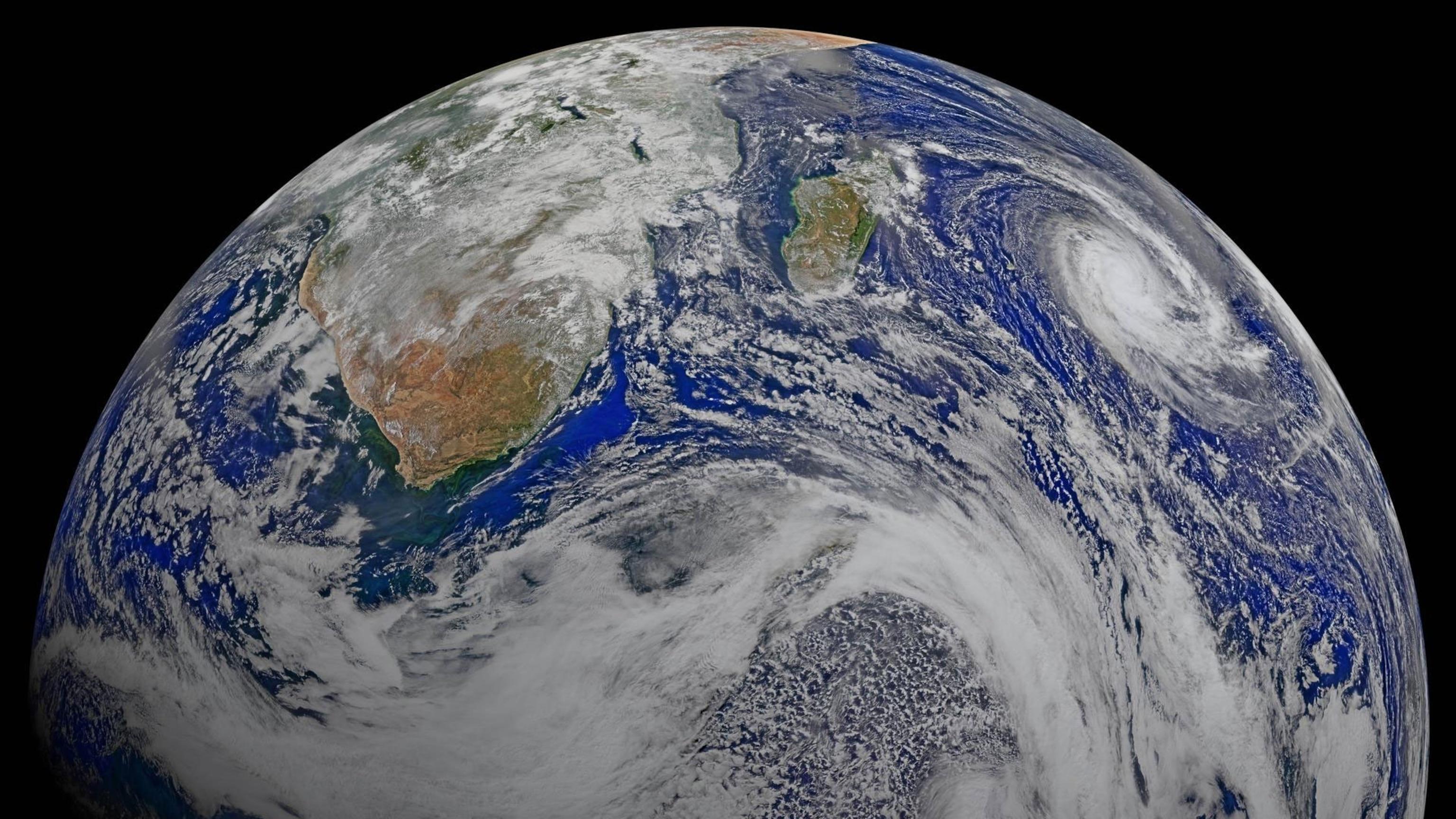
The destruction of the Amazon rainforest has far-reaching consequences, particularly in terms of climate change. This vast forest acts as a natural carbon sink, absorbing a significant amount of carbon dioxide from the atmosphere. However, with the increasing deforestation and rampant logging, the capacity of the Amazon to absorb carbon dioxide is diminishing rapidly. This results in higher greenhouse gas emissions and aggravates the problem of global warming.
Loss of Biodiversity
Another alarming consequence of deforestation in the Amazon is the loss of biodiversity. The rainforest is home to countless species of plants and animals, many of which are endemic and endangered. The destruction of their natural habitat threatens their survival, leading to irreversible biodiversity loss. The delicate balance of ecosystems that the Amazon sustains is essential for the overall health of our planet.
Need for Urgent Action

The State of the Planet Conference emphasized the urgency of taking immediate action to address the critical situation. The responsibility lies not only with governments but also with industries and individuals to adopt sustainable practices and support initiatives aimed at preserving the environment.
Importance of Sustainable Tourism
As individuals, we have the power to make a difference by making conscious choices, even in our travel habits. Supporting sustainable tourism can play a significant role in curbing the destruction of valuable natural resources and ecosystems. By choosing eco-friendly accommodations and engaging in responsible travel practices, we can minimize our impact on the environment.
The hospitality industry, including hotels and resorts, has a vital role to play in promoting sustainable tourism. Implementing green practices such as energy-efficient systems, waste reduction, and conservation initiatives can contribute to minimizing the industry's carbon footprint. Additionally, offering educational programs and raising awareness among guests about the importance of environmental conservation can help inspire positive change.
It is crucial for hotels and travelers alike to prioritize the preservation of our planet's fragile ecosystems. By incorporating sustainability into our choices and actions, we can collectively work towards a more environmentally conscious future.