
Recently, the world has witnessed the rise of global adaptation programs aimed at tackling the pressing issues our planet faces. These programs have become a true festival of ideas for a global governance system. One particular session at a recent conference addressed the utilization of ecological calamities, whether real or simulated, to expedite solutions toward a sustainable future.
The Growing Need for Global Adaptation
As our planet faces increasing threats from climate change, natural disasters, and other environmental challenges, the importance of global adaptation cannot be overstated. It has become imperative for nations and organizations to come together to find innovative solutions that address these issues and ensure a sustainable future for humanity.
A Festival of Ideas for Global Governance
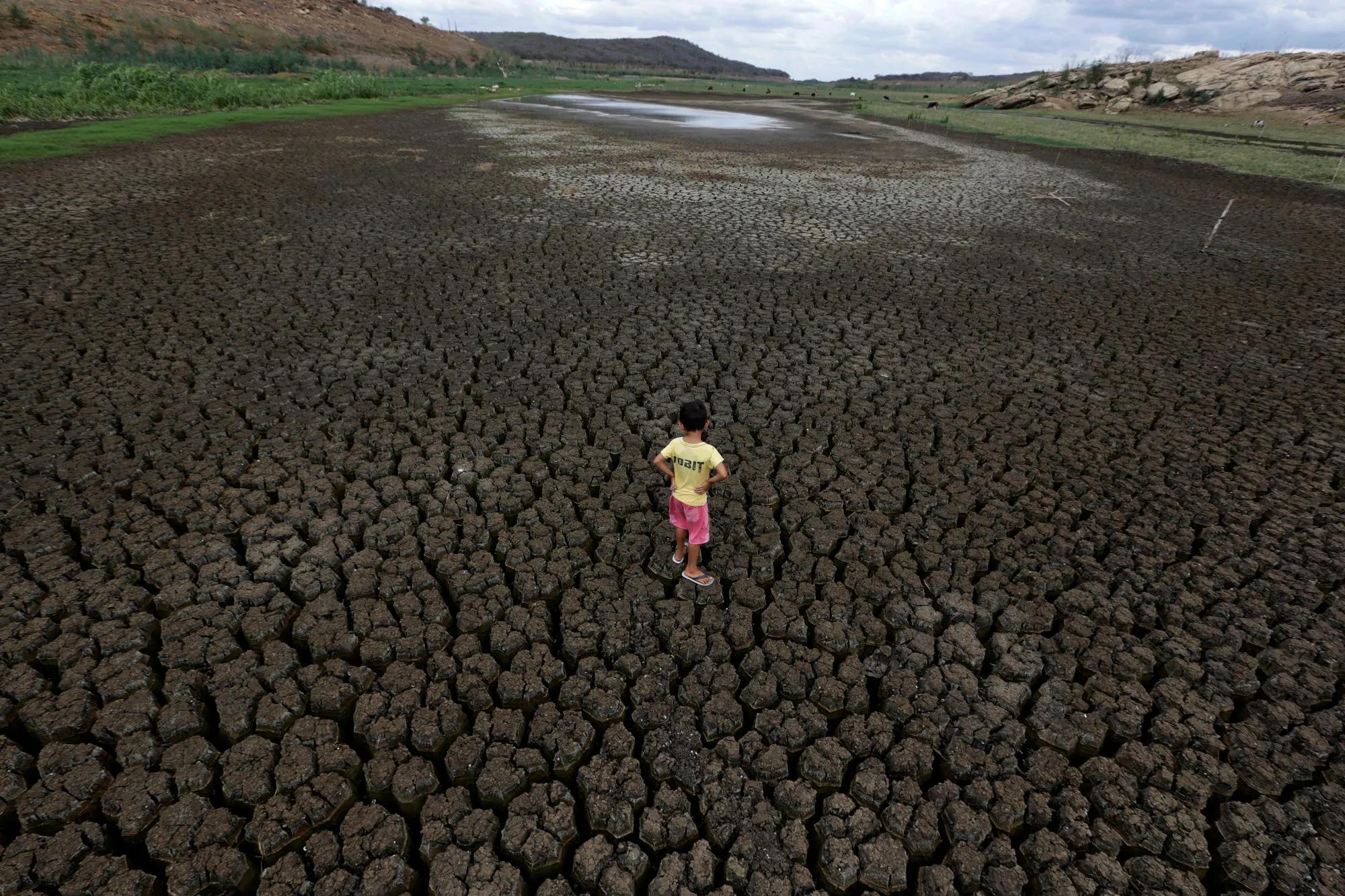
The conference highlighted the significance of collaborative efforts to combat environmental crises. The multiple sessions dedicated to exploring ideas for leveraging ecological calamities underscored the urgency and creativity required for global adaptation. These sessions served as platforms, bringing together experts, researchers, and policymakers to share concepts and propose actionable strategies.
Utilizing Ecological Calamities for Accelerated Change
The concept of utilizing ecological calamities may seem controversial, but it stems from the idea that crisis often propels fast-paced change. By simulating scenarios or drawing lessons from real disasters, researchers and policymakers hope to identify effective measures that can be implemented proactively. This approach aims to minimize the impact of future calamities and build resilient societies.
Integrating Sustainability into Different Sectors

One crucial aspect of global adaptation is the integration of sustainability practices across various sectors. Industries such as hospitality, transportation, and energy are reevaluating their operations and finding ways to minimize their environmental footprint. This includes the hotel industry, which plays a significant role in promoting sustainable tourism.
The Role of Hotels in Sustainable Tourism
Hotels can contribute to sustainable tourism by adopting eco-friendly practices. They can reduce energy consumption, implement recycling programs, and source locally produced goods to support the local economy and reduce carbon emissions associated with transportation. Furthermore, hotels can educate guests about sustainability and encourage responsible behavior during their stay.
Conclusion
The emergence of global adaptation programs has brought forth a festival of ideas aimed at finding solutions to environmental challenges. Through collaborative efforts and innovative thinking, society can work towards a more sustainable future. Hotels, among other industries, have a crucial role to play in promoting sustainability and responsible tourism practices.